Category: Article
-
Introduction to Hadoop Partitions
Introduction to Hadoop Partitions In this tutorial we describe basic principles of Hadoop partitions and their use with pyspark. A hadoop partition allows to subdivide a directory into virtual sub-directories. A sub-directory contains data representing a partition of a larger dataset. A partition in set theory is a division of a space into subspaces such
-

Notebook-Centric Workflows for Signal Monitoring, Hardware Commissioning and Operation Analysis
Notebook-Centric Workflows for Signal Monitoring, Hardware Commissioning and Operation Analysis 1. Motivation¶ During Hardware Commissioning (HWC) campaigns all LHC Super Conducting (SC) circuits are tested and analysed by the MP3 team (http://cern.ch/mp3) in a very rigorous and detailed way. However, the period of operation in-between HWC campaigns is long, and due to continuous cycling of
-
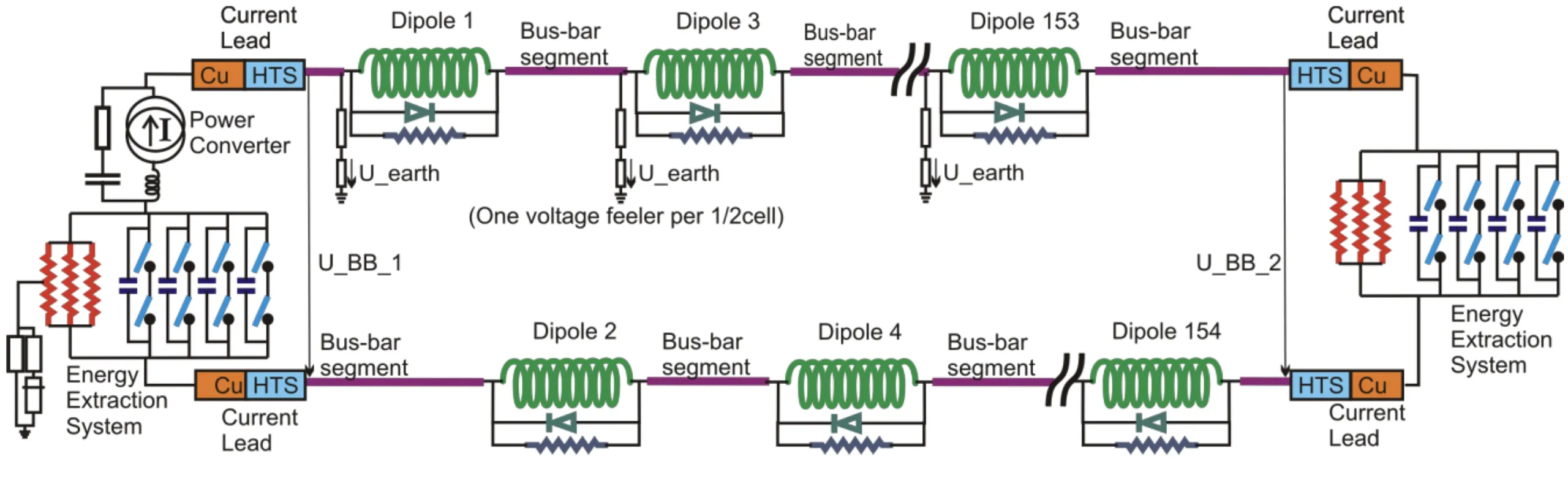
LHC Main Dipole (RB) Circuit – PSpice Netlist Generation with STEAM-SING and Signal Monitoring
LHC Main Dipole (RB) Circuit – PSpice Netlist Generation with STEAM-SING and Signal Monitoring In this blog entry, we demonstrate an integration of STEAM and Signal Monitoring project. The need for such a notebook comes from the operational experience – network models are often times used for the analysis of events occuring in the superconducting
-
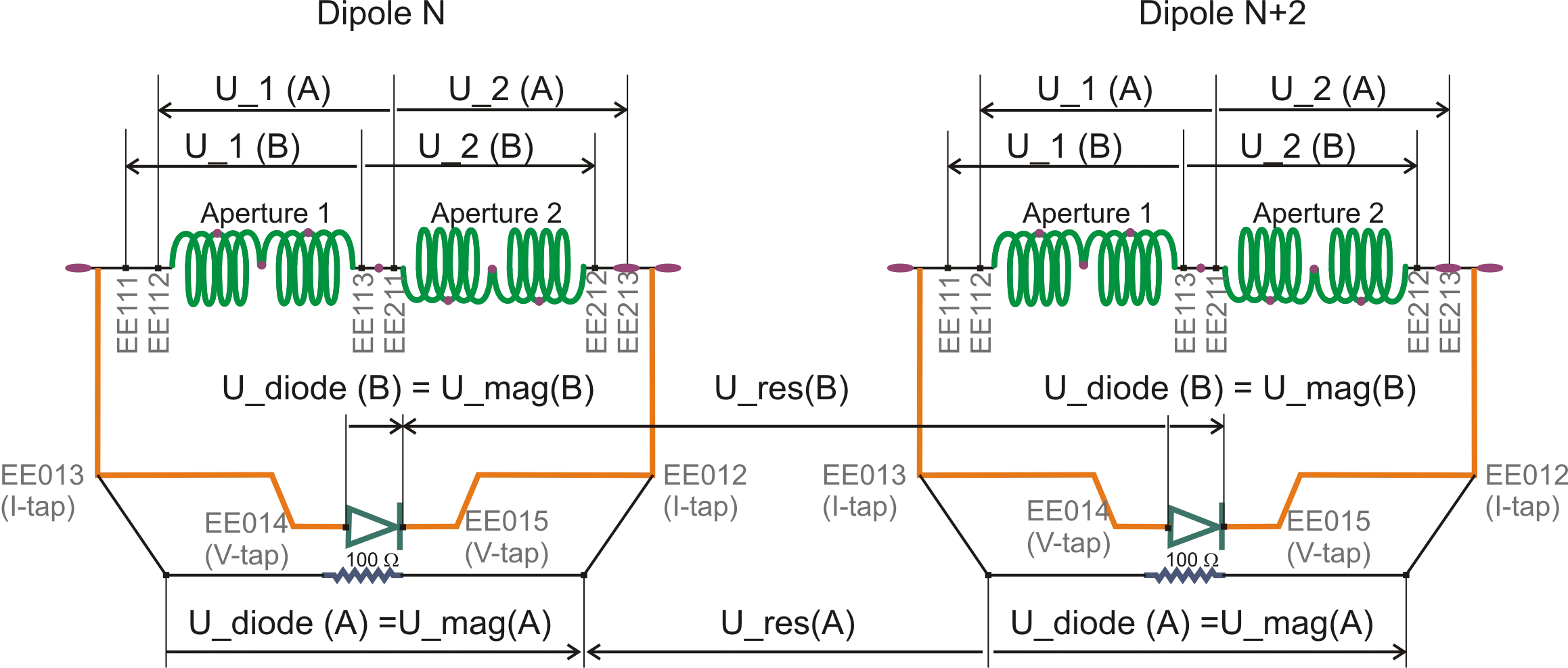
Post Mortem Event Query of QDS and QH to Study Their Failure Rates
Post Mortem Event Query of QDS and QH to Study Their Failure Rates The following notebook has been prepared to demonstrate the use of the lhcsmapi and pyeDSL in particular to query of PM for QDS and QH events and signals. The goal of the query is to gather information about the failure rates in
-
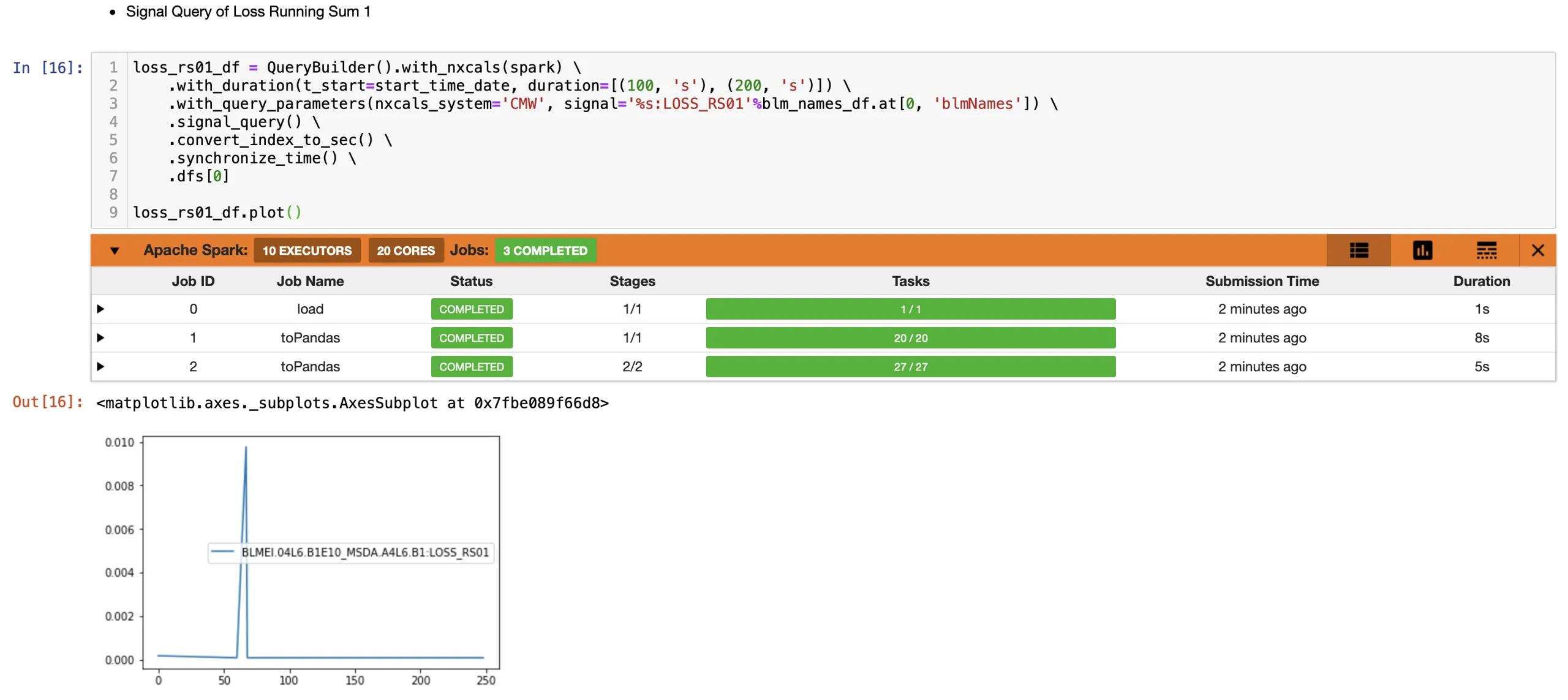
Beam Loss Monitor Query with pyeDSL
Beam Loss Monitor Query with pyeDSL The goal of this blog entry is to demontrate the use of the pyeDSL to conventiently query BLM-related data from Post Mortem (PM) and NXCALS databases. In particular, we will show how to query for a given period of time around an interesting event in the LHC: The PM